
Experimental Breeder Reactor I: A retrospective

December 19, 2019, 5:29PMANS Nuclear CafeWill Searight

In the not-so-distant 20th century past, our planet was in an uncertain new-world order. The second of two major wars had dramatically reshaped the landscape of the world's nations. It was not by any means assured that the extraordinary nuclear process of fission, which itself had been discovered mere years before the second war's end, would be successfully utilized for anything but the tremendous and frightening powers realized in thermonuclear warheads. In the years following, a humble project materializing out of the National Reactor Testing Station in Idaho was to challenge that assertion and demonstrate that nuclear fission could indeed be a commercial, peaceful source of electrical power for civilizations around the globe.
Eisenhower's Atomic Power for Peace - The Civilian Application Program II

January 9, 2014, 3:58PMANS Nuclear CafeWill Davis

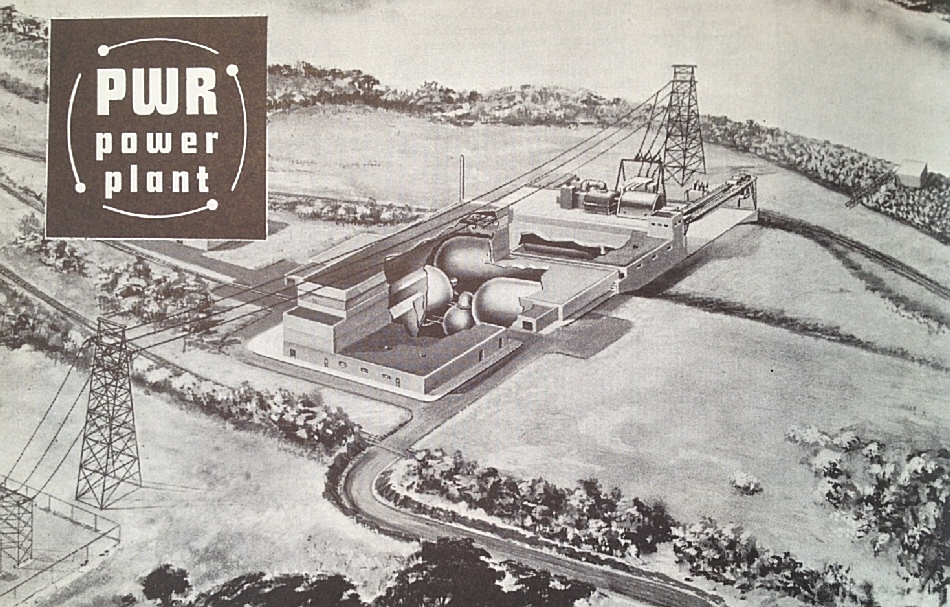
Westinghouse Electric Corporation promotional illustration showing "PWR" (Shippingport Atomic Power Station) plant and site.  "Selected Articles on Nuclear Power," Westinghouse Electric (see sources.)

Westinghouse Electric Corporation promotional illustration showing "PWR" (Shippingport Atomic Power Station) plant and site. "Selected Articles on Nuclear Power," Westinghouse Electric (see sources).

The commercial nuclear power program in the United States was sparked by the Shippingport Atomic Power Station project-but one project does not a program make. Action by the U.S. Congress soon after the announcement of the project ensured that a wide program that would evaluate other approaches was launched:

Eisenhower's Atomic Power for Peace – The Civilian Application Program

December 19, 2013, 6:57PMANS Nuclear CafeWill Davis

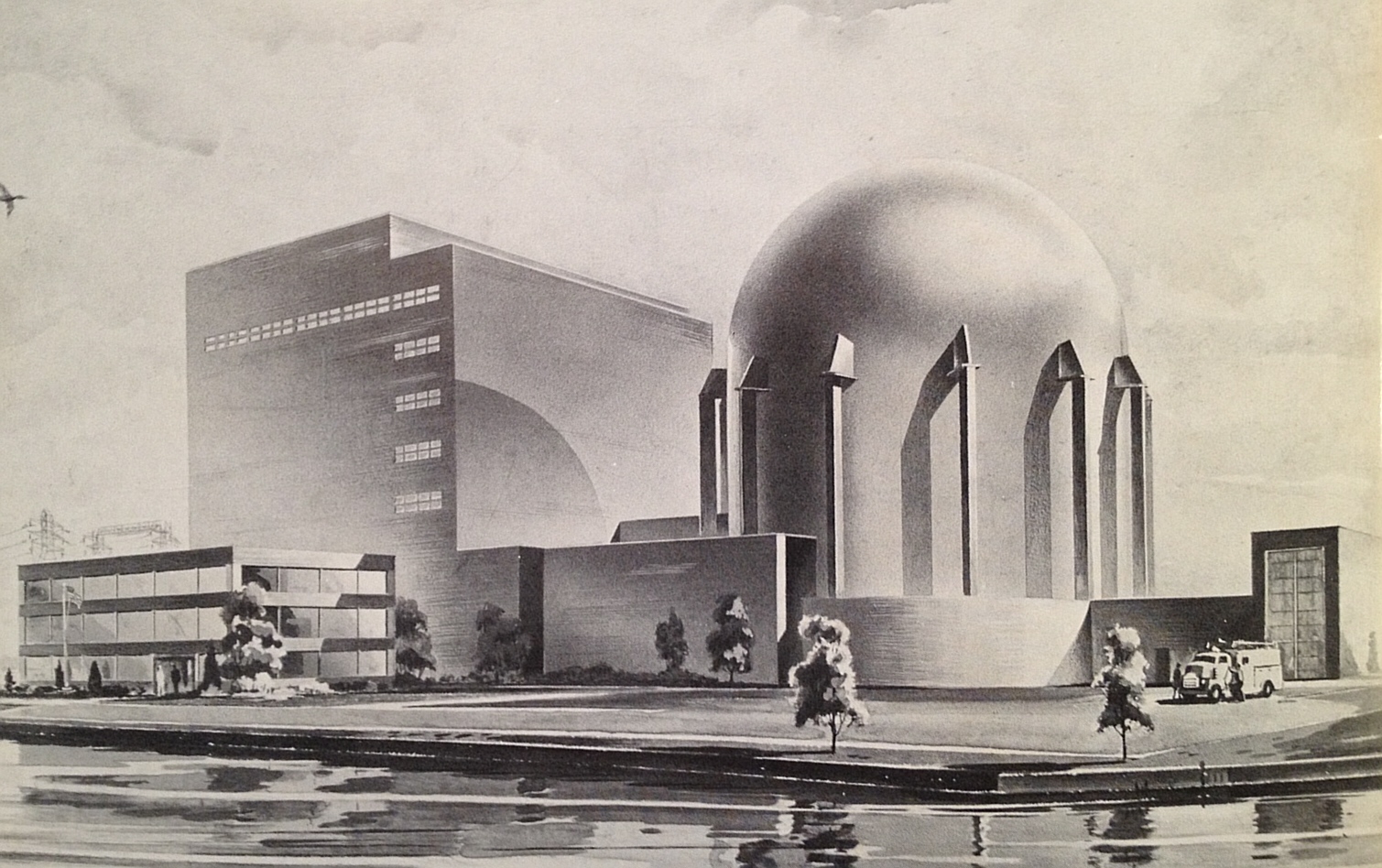
Futuristic illustration from 1955 Progress Report, Atomic Power Development Associates, published March 1956.  This would become the Enrico Fermi Atomic Power Plant.

Futuristic illustration from 1955 Progress Report, Atomic Power Development Associates, published March 1956. This would become the Enrico Fermi Atomic Power Plant.

President Eisenhower's momentous Atomic Power for Peace speech to the United Nations in December 1953 included the bold statement: "It is not enough to take this weapon [a metaphor for atomic energy, specifically as weaponized only] out of the hands of soldiers. It must be put into the hands of those who will know how to strip its military casing and adapt it to the arts of peace." With that, he effectively launched the civilian nuclear power business as we know it today-of course, it having since undergone many changes and evolutions. What's little spoken of today is what happened before and after this speech.